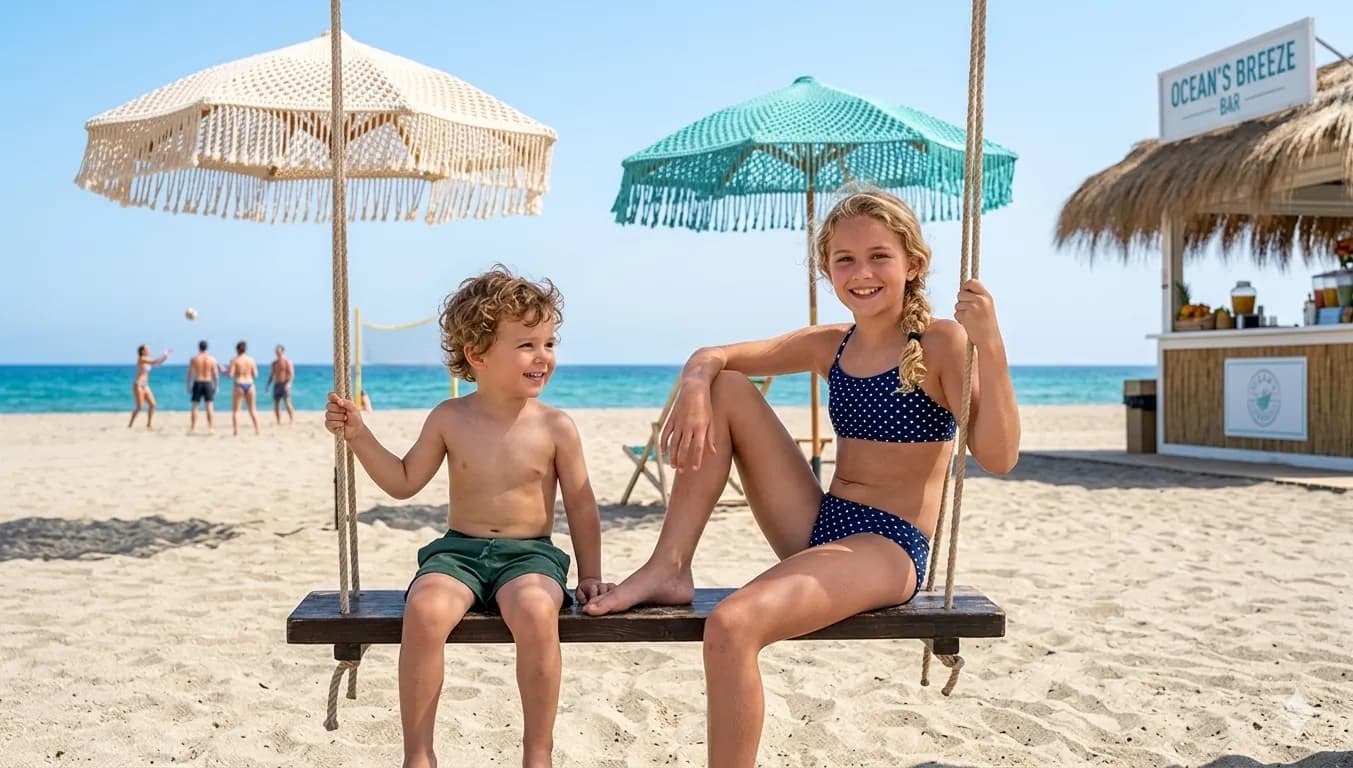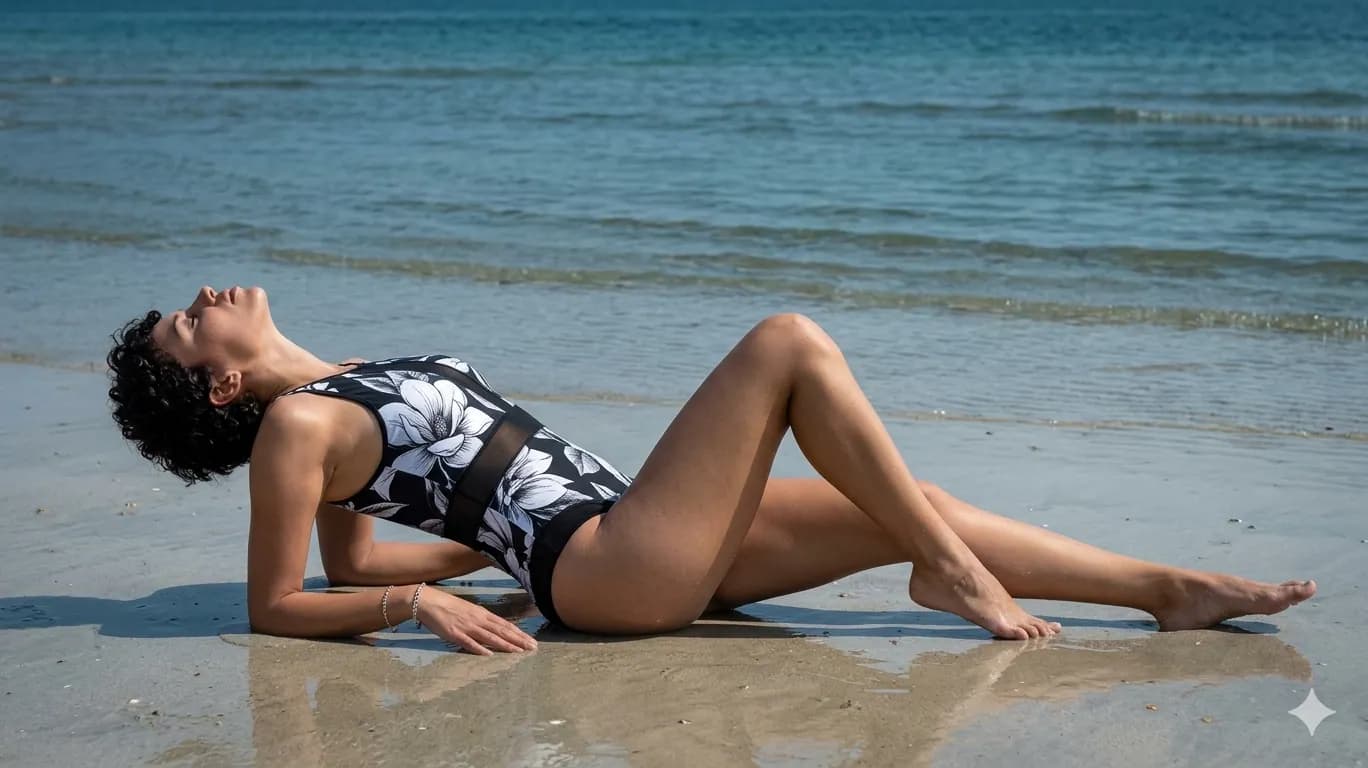
Fabric decides more about a swimsuit than almost anything else: how it fits, how it feels wet and dry, how long the color lasts and how the garment holds up after a summer of pools and sea water. Yet fabric choice is often rushed at the start of development. This guide explains the main options in plain terms, so you can have a clearer conversation with your swimwear manufacturer and avoid expensive surprises in bulk.
Fiber Choice: Nylon/Spandex vs Polyester/Spandex
Almost all modern swimwear is a blend of a base fiber with spandex (also called elastane or elastane) for stretch.
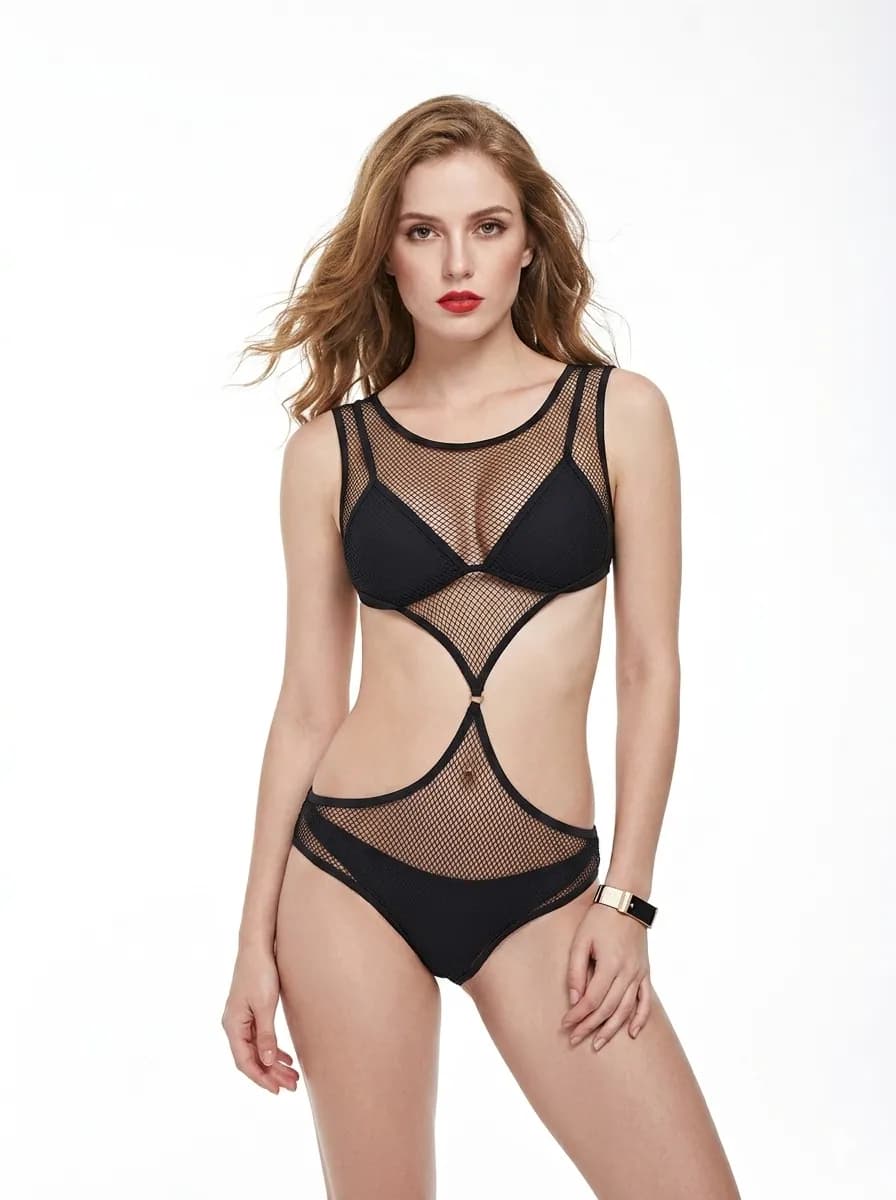
Nylon/spandex is the classic fashion swim fabric. Typical blends sit around 78–85% nylon with 15–22% spandex. It has a soft, smooth hand feel, excellent stretch and recovery, and a slight natural sheen. It is the go-to choice for bikinis and fashion one-pieces where comfort and fit matter most. The trade-off is that standard spandex breaks down over time with repeated chlorine exposure.
Polyester/spandex blends are generally more resistant to chlorine and UV fading, and hold printed color very well. They can feel slightly less soft than nylon, although modern polyester knits have closed much of that gap.
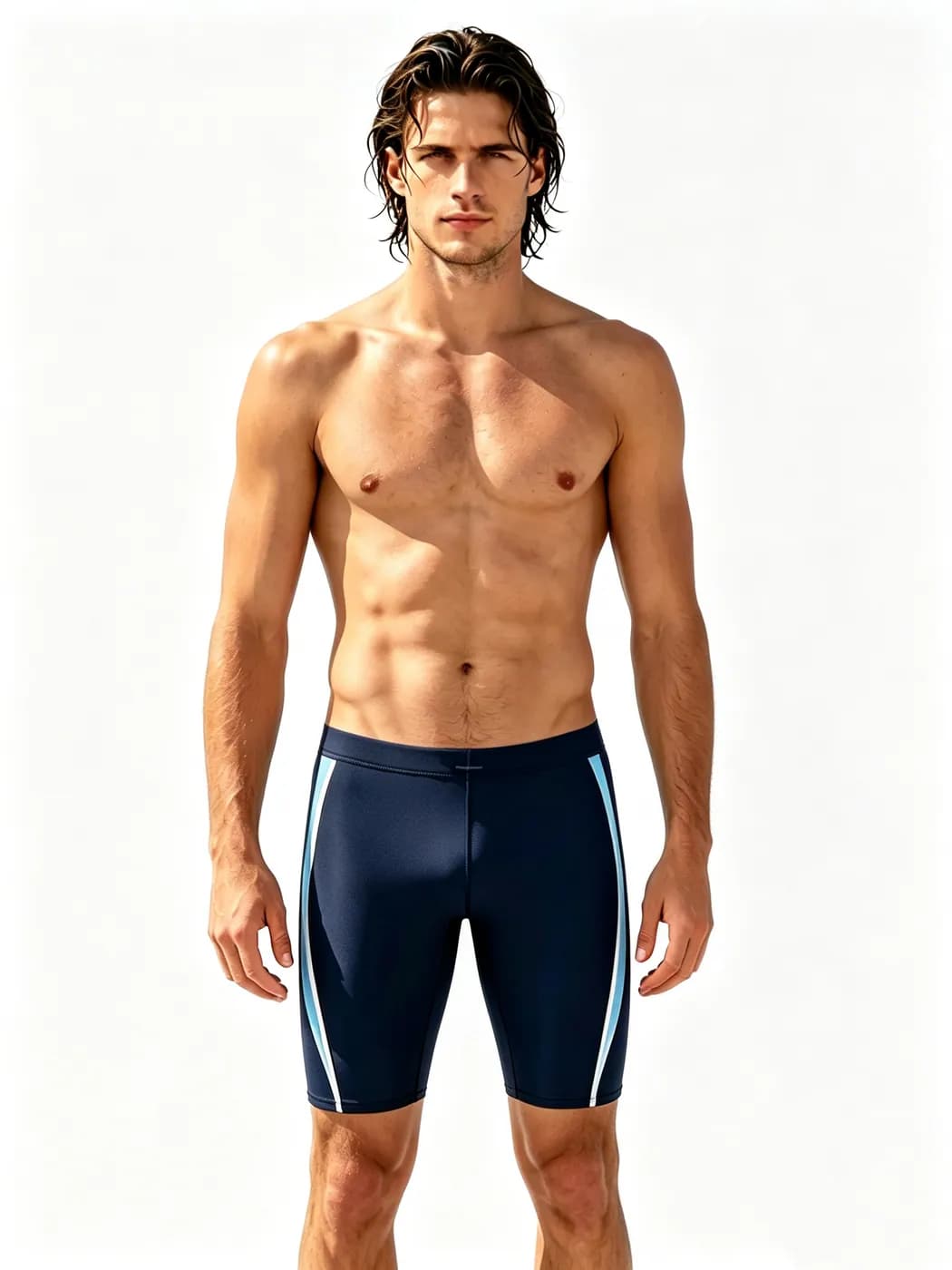
PBT (polybutylene terephthalate) is a polyester with natural mechanical stretch. Fabrics made with PBT, sometimes combined with a small amount of spandex, are widely used for competitive and training swimwear because they hold their shape well in heavily chlorinated pools.
Chlorine Resistance and Durability
If your customers swim regularly in pools, chlorine resistance should be a priority rather than an afterthought. Chlorine-resistant fabrics use either polyester or PBT constructions, or specially treated spandex designed to last longer in chlorinated water. They are a strong fit for training suits, swim school uniforms and children’s swimwear.
For resort and fashion swimwear, standard nylon/spandex is usually fine, as long as care instructions (rinse in cool fresh water, dry in shade) are clear on the label and hang tag.
Recycled Fabrics
Recycled swim fabrics are now widely available. The two main types are:
- Regenerated nylon, made from pre- and post-consumer nylon waste such as fishing nets, fabric scraps and carpet fiber, which is chemically broken down and re-polymerized into new yarn. Its performance is very close to virgin nylon.
- Recycled polyester, most often made from post-consumer plastic bottles, blended with spandex for stretch.
Several branded regenerated nylon yarns exist on the market. If you want to use a specific brand name on your hang tags, you will usually need to buy through the yarn owner’s authorized mill network and follow its labeling rules. Discuss this with your manufacturer early, and ask for transaction or origin documents from the fabric mill to support any recycled content claims you make.
Fabric Weight and Lining
Fabric weight is measured in GSM (grams per square meter). Typical ranges for swimwear are:
- Around 170–200 GSM for most fashion bikinis and one-pieces.
- Around 200–240 GSM for firmer, more supportive one-pieces and shaping styles.
- Around 100–140 GSM for lining fabrics.
Heavier is not automatically better. A heavier fabric gives more coverage and hold, but can feel restrictive and dry more slowly. Lining matters just as much: it prevents show-through when wet, adds opacity to light colors and improves comfort against the skin. Most quality swimwear is fully lined at the front and often the back. For white and pale shades, always test a wet sample for transparency before approving.
Printing and Sun Protection
Sublimation vs Digital Print on Nylon
How you print depends on the fiber.
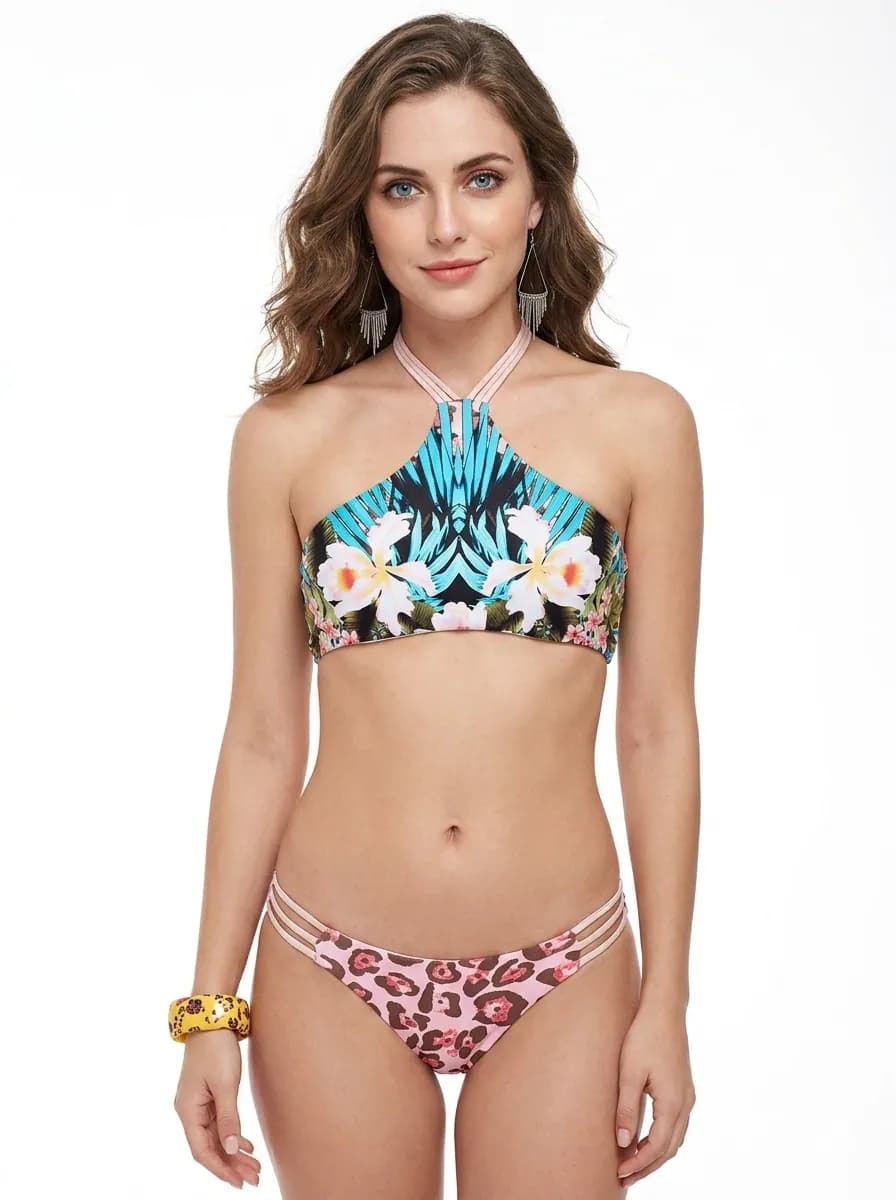
Sublimation transfers dye into polyester fibers using heat. It produces vivid, sharp colors with excellent fastness, and it is cost-effective on polyester-rich fabrics. It does not work well on nylon, where colors come out dull and wash out quickly.
Direct digital printing on nylon uses acid dyes printed straight onto the fabric, followed by steaming and washing to fix the color. It gives rich color on nylon/spandex with the soft hand feel that fashion brands want. It generally costs more per meter than sublimation and may require a minimum fabric quantity per print.
For solid colors, piece-dyed fabric is the standard. Ask about lab dips if you need a precise brand color matched.
UPF Ratings
UPF (Ultraviolet Protection Factor) measures how much UV radiation a fabric blocks. Tightly knitted, darker and heavier fabrics tend to block more UV naturally, while some fabrics are finished or constructed to reach higher ratings. If you want to claim a rating such as UPF 50+, the fabric should be tested by a third-party lab to a recognized method, such as AS/NZS 4399 or AATCC 183, and you should keep the report on file. This is especially relevant for rash guards and kids swimwear.
How to Test and Approve Fabric Samples
A simple approval routine prevents most quality problems:
- Check hand feel and stretch on a swatch or header, both dry and wet.
- Approve color from a lab dip or strike-off under consistent lighting, not from a screen.
- Check opacity by wearing or stretching a wet sample over skin tone.
- Wear-test the sample garment for fit, recovery and comfort after a swim.
- Request test reports for key properties such as colorfastness to chlorine, sea water and light, and pilling, either from the mill or a third-party lab.
- Keep an approved reference swatch so bulk fabric can be compared against it.
You can see where fabric approval fits into development on our how it works page.
Work with a Manufacturer Who Knows Fabric
Closswim works with nylon/spandex, polyester/spandex, recycled and chlorine-resistant fabrics across swimwear, yoga wear, sun-protection wear and activewear. We can suggest fabrics for your price point, provide swatches and turn samples in about 7 days once design and fabric are confirmed. Contact us to request fabric options and samples for your next custom swimwear collection.