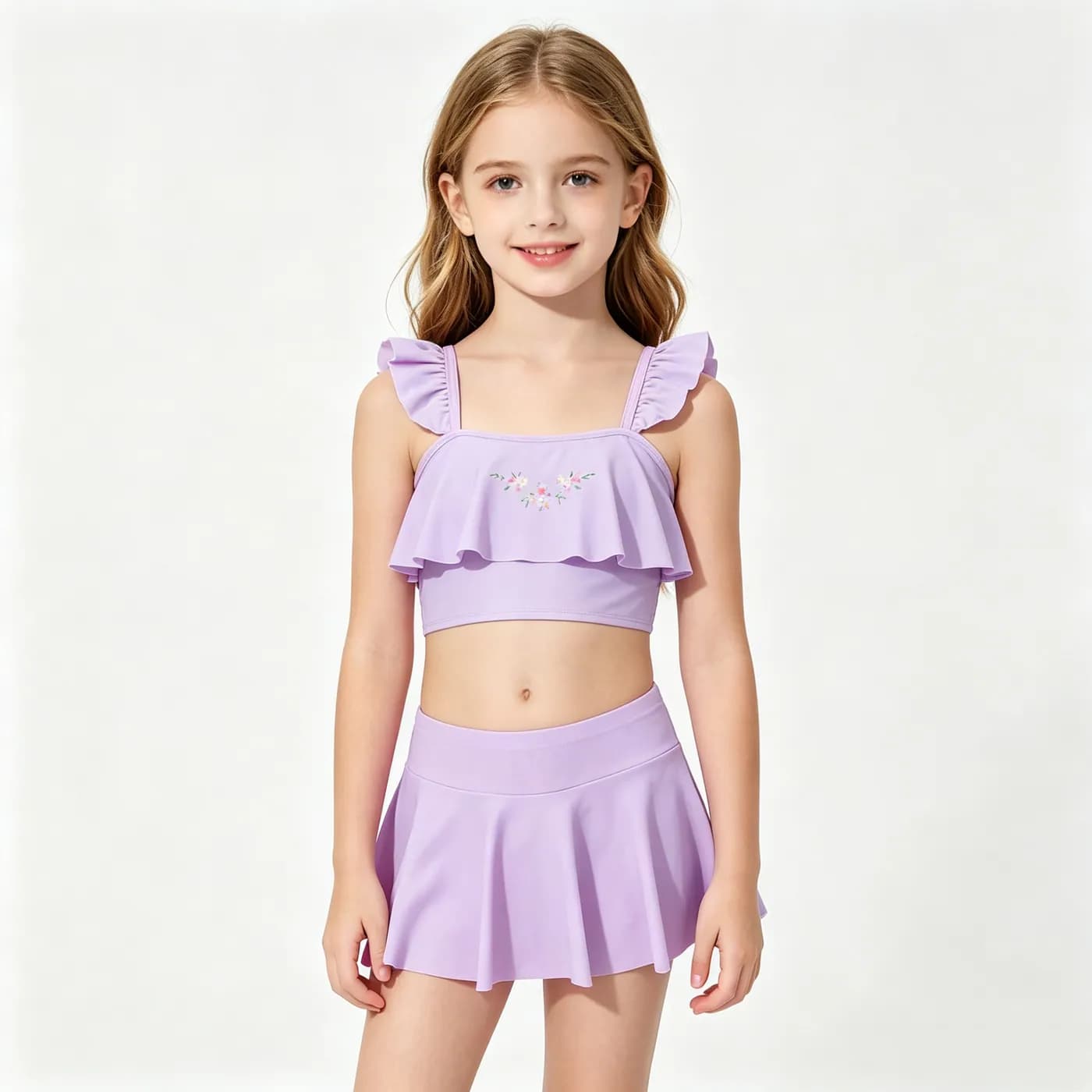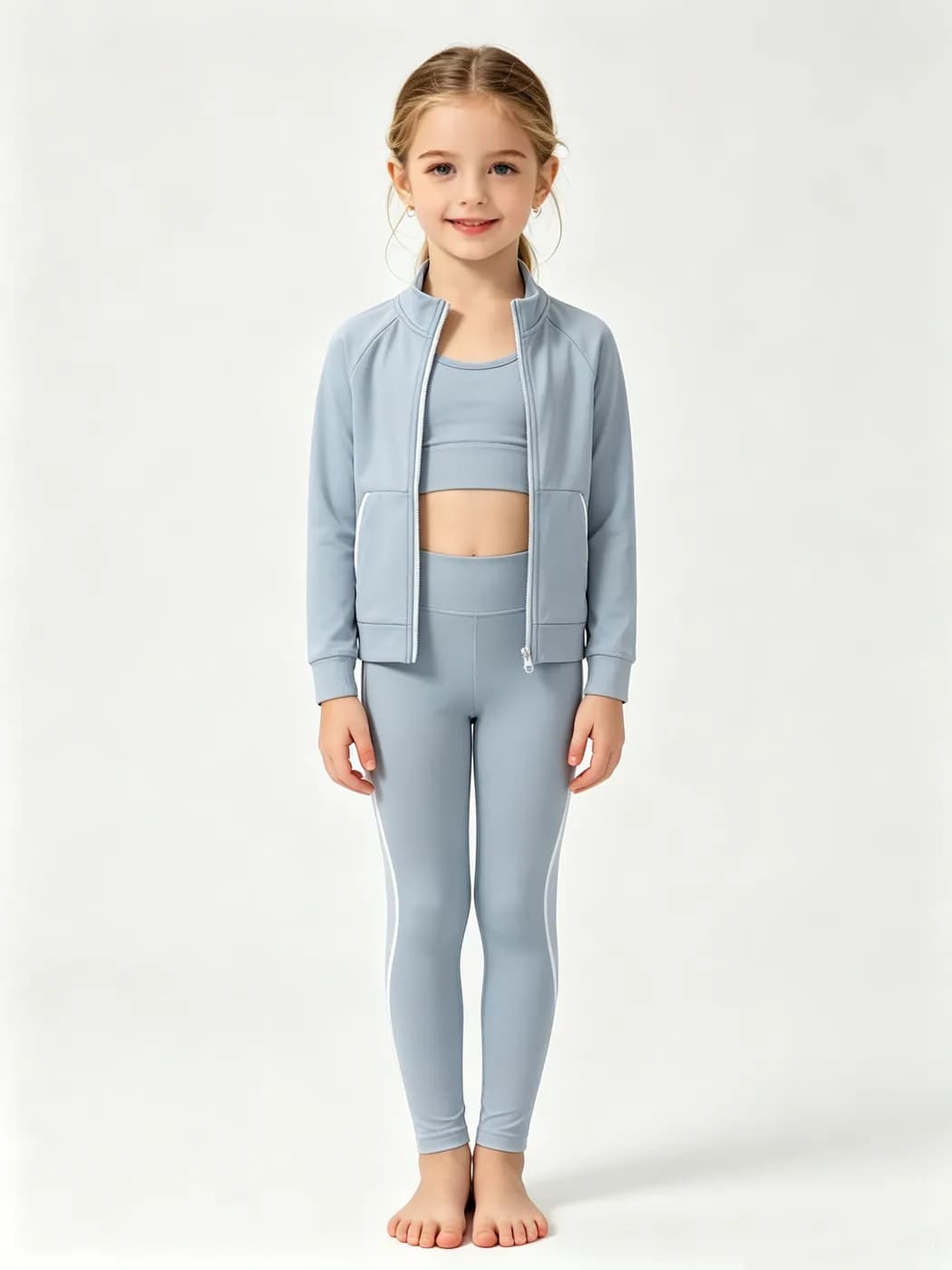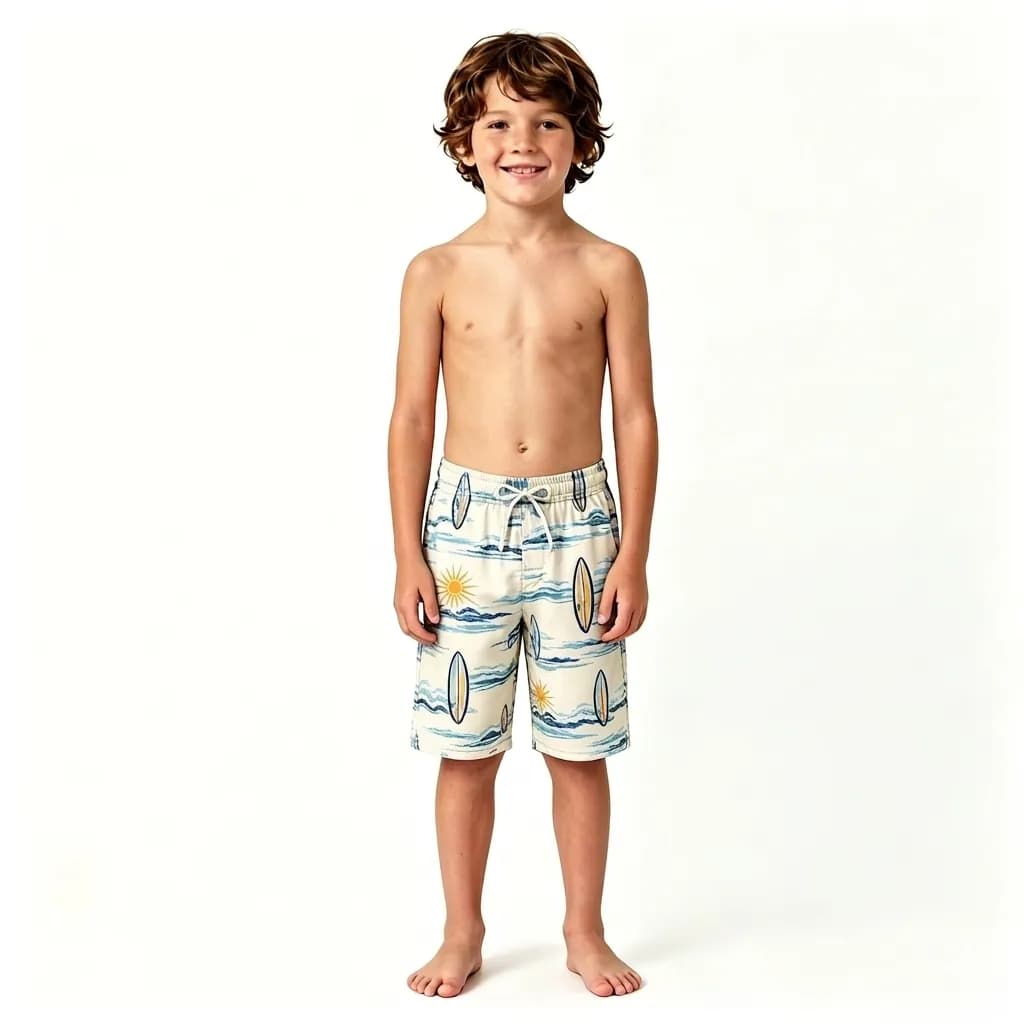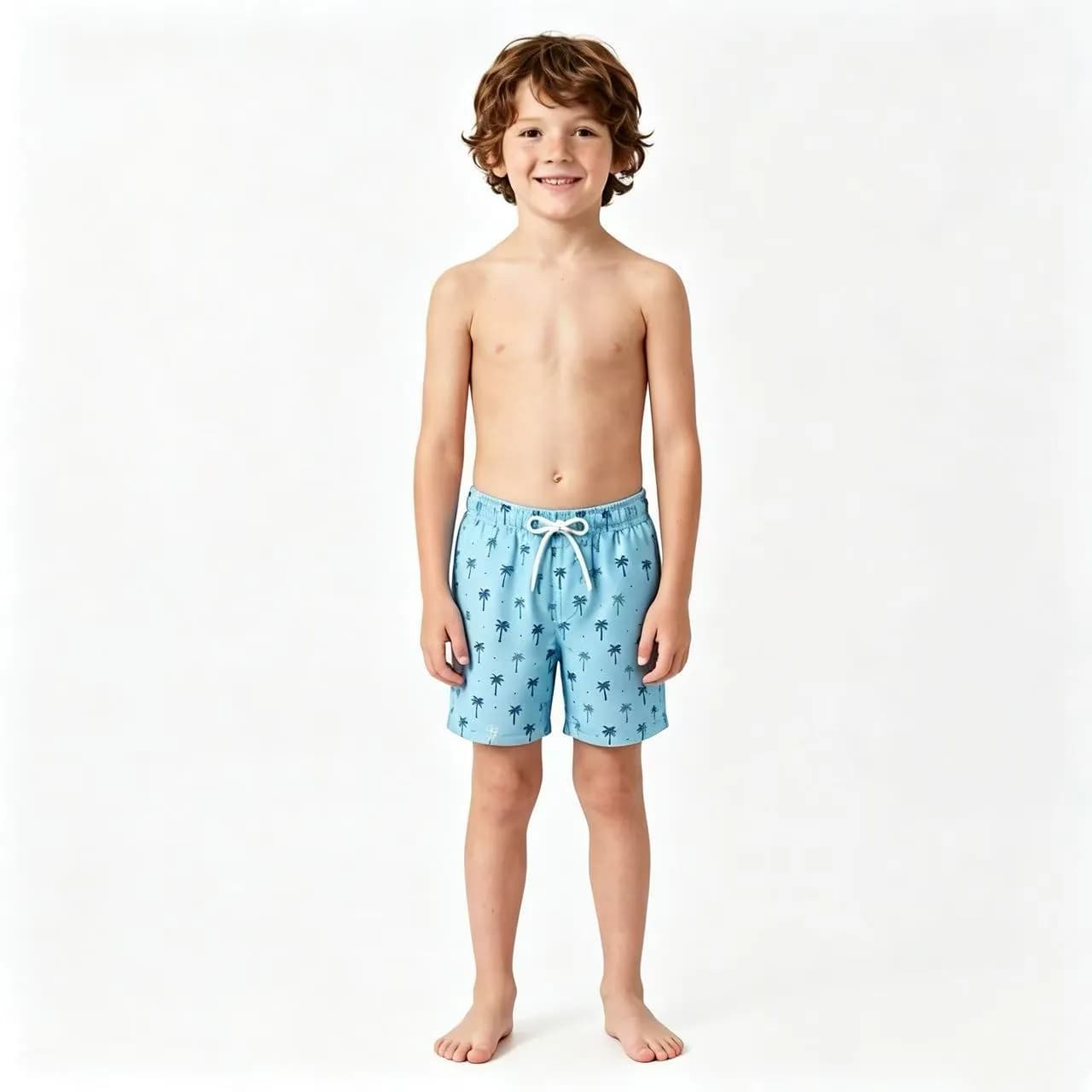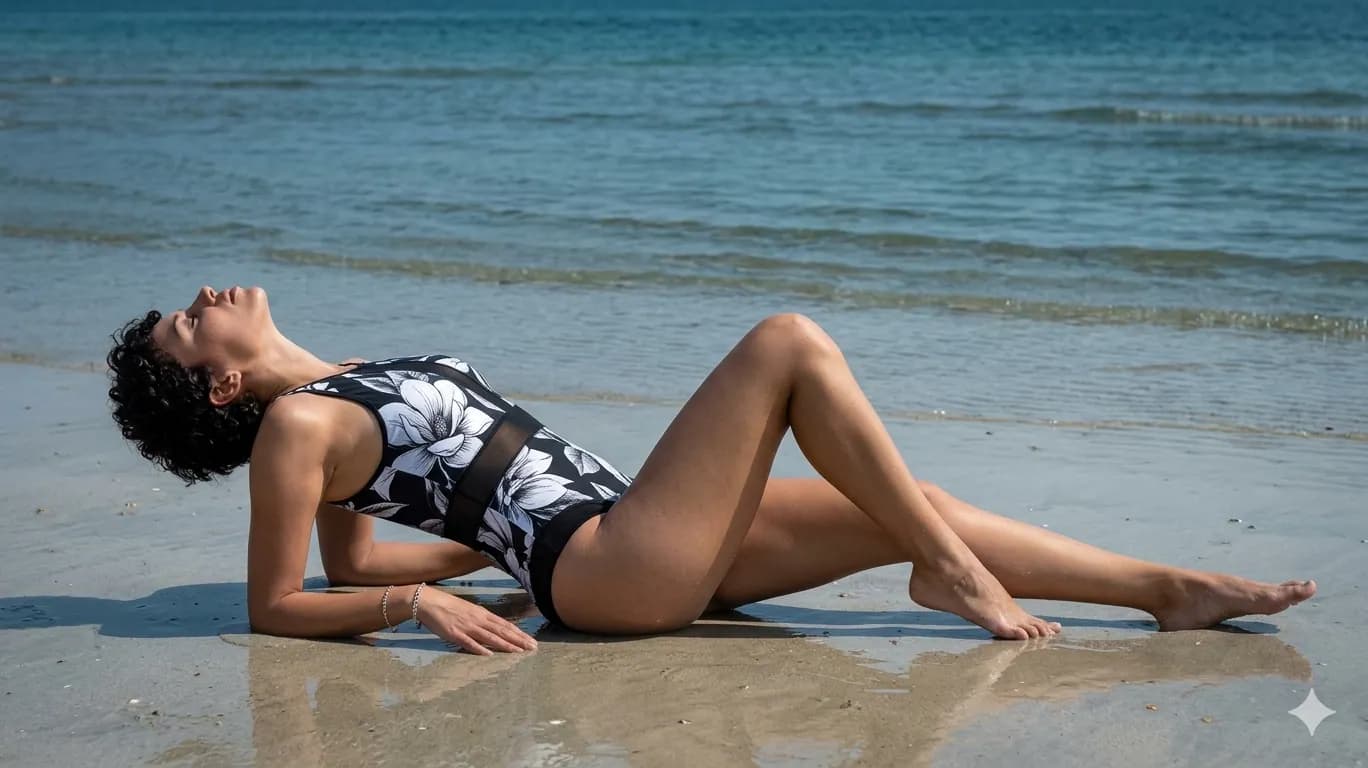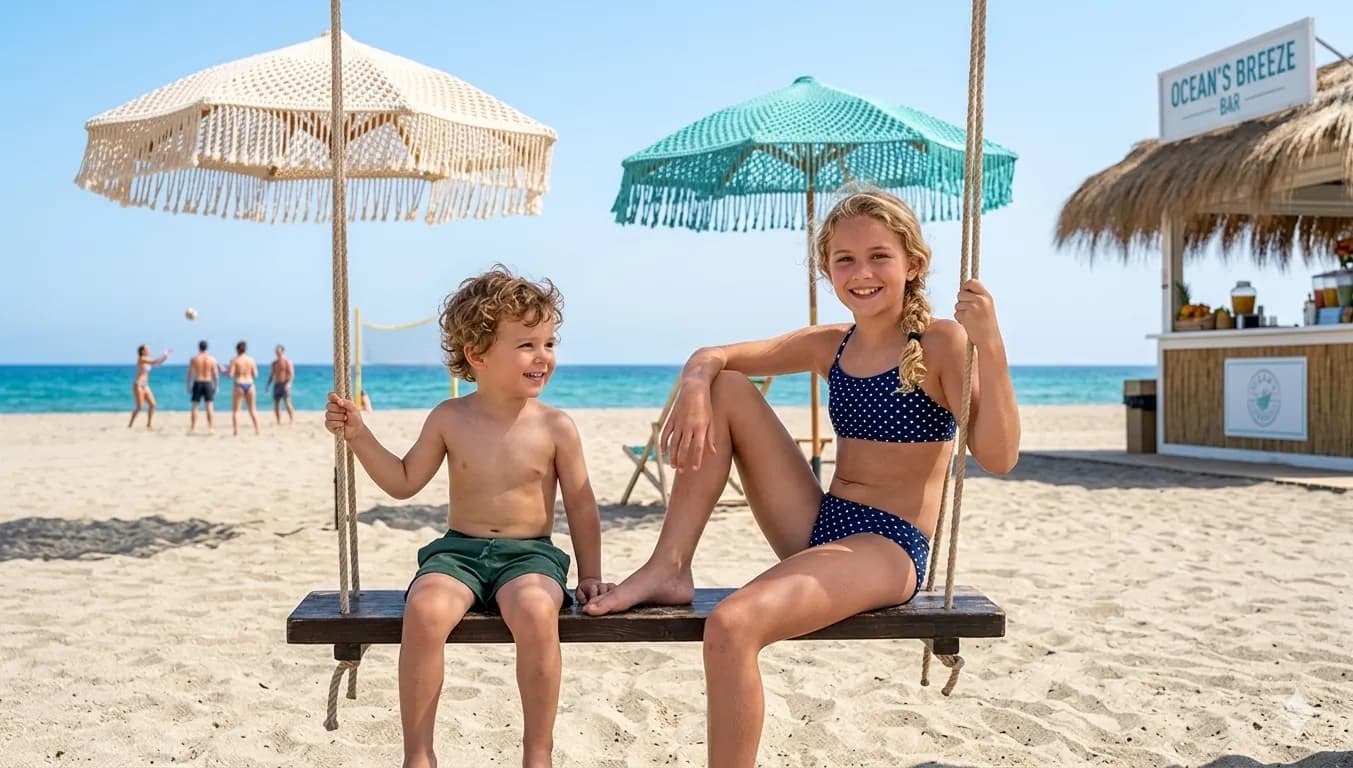
Kids’ swimwear looks simple: smaller sizes, brighter colors, a fun print. In reality it is one of the more demanding categories to develop. Parents expect it to be safe, comfortable and tough enough to survive a whole summer of pools, beaches and swimming lessons, and most markets apply stricter rules to children’s products than to adult clothing. This guide covers the key points brands should plan for when working with a kids swimwear manufacturer.
Safety by Design
Safety starts at the design stage, long before any testing. The main areas to review are:
- Cords and drawstrings. Drawstrings in the hood or neck area of garments for young children are widely restricted, and cords elsewhere are often limited in length. In the US, look into the CPSC guidance and ASTM F1816; in Europe, EN 14682 covers cords and drawstrings on children’s clothing. For younger age groups, the simplest approach is to avoid drawstrings altogether and use elastic or fixed ties.
- Small parts. Buttons, beads, sequins, decorative rings and appliqués can become choking hazards if they come loose. Keep trims to a minimum for babies and toddlers, and specify pull-strength requirements for anything that is attached.
- Zips and fastenings. Zips on rash guards and swimsuits should have soft zip garages at the top so they do not rub the chin or neck, and fastenings should be easy for adults to open quickly.
- Sharp or rough edges. Check that hardware has no sharp edges and that heat-transfer logos stay flexible and do not crack.
Sun Protection and Visibility
Sun Protection Comes First
For many parents, sun protection is the main reason to buy a new swim set. Long-sleeve rash guards, full-length swimsuits, swim leggings and matching sun hats are core items in most children’s ranges. Fabrics with a tight knit and good coverage naturally offer more protection, and many brands choose to market a UPF rating. If you plan to claim UPF 50+ or similar, have the fabric tested by a third-party lab and keep the report on file.
Coverage is also about cut: higher necklines, longer sleeves and a slightly longer body length help keep shoulders and backs covered while children play.
Visibility Colors and Prints
Bright, high-contrast colors such as neon orange, pink, yellow and lime are generally easier to see in the water than blues, greens, grays and darker shades, which can blend into pools and the sea. Many parents now look for this when shopping. It is worth offering at least a few high-visibility options, and considering bright color blocking even on printed styles, without making any safety guarantees in your marketing.
Comfort, Fit and Durability
Sizing by Age and Everyday Comfort
Children move constantly, so comfort matters as much as looks.
- Soft seams. Flatlock stitching or well-bound seams reduce rubbing, especially under the arms and at the leg openings.
- Soft elastics. Leg and waist elastics should hold the garment securely without leaving marks.
- Easy on, easy off. Wet swimwear is hard to pull on and off. Wider neck openings, front zips on toddler sizes and two-piece options make changing easier for parents.
- Room to grow. Plan grading carefully by age group, for example baby, toddler (around 1–4 years), kids (around 4–8) and older kids (around 8–14). Proportions change a lot between groups, so a single scaled pattern rarely fits well across the whole range.
- Swim diapers. If you serve the baby market, consider integrated or reusable swim diaper styles.
Durability: Chlorine, Saltwater and Sand
Kids’ swimwear is worn often and treated roughly. Swimming lessons mean frequent exposure to chlorinated water, and beach days bring saltwater, sunscreen and sand. Chlorine-resistant polyester or PBT fabrics are a strong choice for lesson and training styles, while nylon/spandex offers a softer feel for fashion pieces. Reinforced seams at stress points and colorfast prints help the garment last long enough to be handed down.
Compliance, Testing and Labeling
Chemical Compliance and Testing
Children’s products are regulated more closely, so research the requirements for each target market and discuss them with your manufacturer before production. The standards brands most often ask us about are:
- CPSIA (US). Covers limits on lead and certain phthalates in children’s products, requires tracking labels, and generally requires third-party testing by a CPSC-accepted lab and a Children’s Product Certificate issued by the importer or brand.
- REACH (EU). Restricts a range of chemical substances in textiles, including certain azo dyes, and sets out obligations around substances of very high concern.
- OEKO-TEX. A voluntary textile testing and certification system. Many brands ask for fabrics or trims that carry this certification, especially for babywear.
The practical approach is to agree on the required standards at the start, choose fabrics and trims that can meet them, and then test the finished products through an accredited third-party lab. Compliance responsibility normally sits with the brand or importer, so keep the reports on file.
Packaging and Labeling
Labeling is often overlooked until late in development. Plan for fiber composition labels, care instructions, size and country of origin, as required by each market. The US requires tracking information on children’s products, and the EU has its own textile labeling rules. Polybags usually need suffocation warnings, and if a product includes small parts, check whether warning statements are needed on packaging. Clear care labels also help parents rinse and dry swimwear properly, which extends its life.
Develop Your Kids’ Swim Range with Closswim
Since 2009 Closswim has manufactured swimwear, sun-protection wear and activewear for brands in Europe and the US in our own factory. We can help you choose suitable fabrics, simplify trims for younger age groups and coordinate samples for your third-party testing. Explore our kids swimwear range, then contact us to request samples and a quote. Our MOQ is 200 pieces per style per color, with samples ready in about 7 days after design and fabric confirmation.